
Administrative Burden Theory
Paperwork, compliance, scheduling, and system navigation can function as structural barriers rather than neutral procedures.
An Authorized Representative Agency
The Connection Commission connects disabled people facing administrative barriers with disabled representatives who choose their cases. Your representative works through the process with you and, where permitted, can be authorized to communicate or act on your behalf.

What we do
| Service | Can we help? | What that looks like |
|---|---|---|
| Workplace accommodation requests | Yes | We can help describe what is getting in the way, prepare the request, gather supporting documents, communicate about the process where permitted, and follow up. If it becomes a legal dispute, we will help identify legal support. |
| College and program applications | Yes | We can help gather records, complete the application with you, track deadlines, communicate with the institution where authorized, and submit materials where permitted. You choose and approve what the application says. |
| Benefits applications | Most likely | We can help with applications, supporting documents, agency communication, and follow-up. Representation rules vary by program. If a matter requires a specially qualified representative, we will explain that boundary. |
| Complaints and grievances | Let's talk | We can help organize what happened and complete many workplace, school, consumer, or agency complaint processes. If the matter requires legal representation, we will help identify the appropriate support. |
| Government forms | Most likely | We can help identify and complete everyday government forms, gather documentation, communicate with agencies where authorized, and track the process. Some systems restrict who may formally represent another person. |
| Records requests | Yes | We can help request employment, school, medical, or public records and follow up, including communicating under an appropriate release or authorization where accepted. |
| Professional licensing | Most likely | We can help with standard applications, records, fees, submissions, renewals, and administrative follow-up. Disciplinary or contested matters may require licensed professional representation. |
| Registrations and renewals | Yes | We can help with registrations, renewals, permits, accounts, and program enrollment. You remain in control of your decisions and any information requiring your personal certification. |
| Administrative submissions | Most likely | We can organize, complete, submit, communicate about, and track administrative materials within the authority allowed by the receiving institution. |
Representation authority depends on the system. Some institutions allow broad authorized representation, some require a specific appointment or release, and some restrict representation to licensed or accredited professionals. We determine the available role for each case before acting on your behalf.
Don't see what you need? You can still ask.
Request a representativeAn Authorized Representative Agency (ARA) connects people experiencing administrative barriers with representatives who voluntarily choose their cases.
With the participant’s authorization, and within the rules of the relevant institution, the representative can then undertake administrative advocacy and representation on their behalf.
The Connection Commission’s model is derived from converging research across disability policy, public administration, organizational design, cognitive science, and access to justice.
Paperwork, compliance, scheduling, and system navigation can function as structural barriers rather than neutral procedures.
Systems that depend on sustained task initiation, working memory, switching, error recovery, and self-coordination do not impose equal demands on everyone.
Rights and resources may exist formally while remaining inaccessible without navigation, advocacy, or representation.
Requiring individuals to absorb upfront costs, delays, and financial risk can prevent participation even when ability and motivation are present.
Autonomy, flexibility, modular participation, and meaningful choice improve the sustainability of complex work.
Services designed and delivered by members of the affected population can reduce power asymmetry and improve trust, engagement, and service fidelity.
Effective interventions are strengthened when affected communities participate in producing the knowledge and systems intended to serve them.
Sustainable services require bounded workloads, realistic scope, standardized processes, and fidelity before scale.
Administrative labor can be centralized and structured through workflows, constrained caseloads, standardized intake, and deliberate organizational systems.
Practical information should be explicit, accessible, voluntary, and delivered without shame or assumptions about what people “should already know.”
Read the framework
Who we are
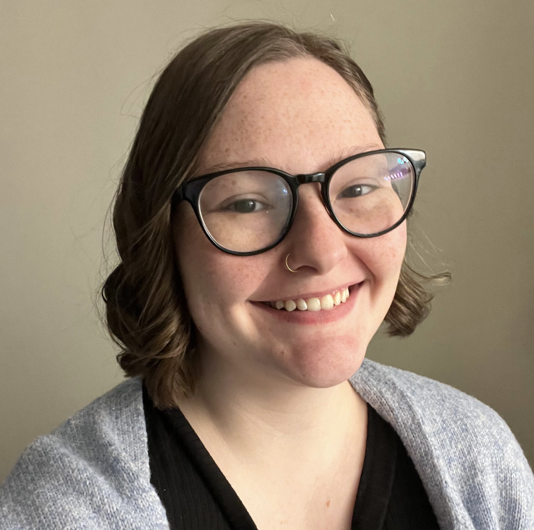
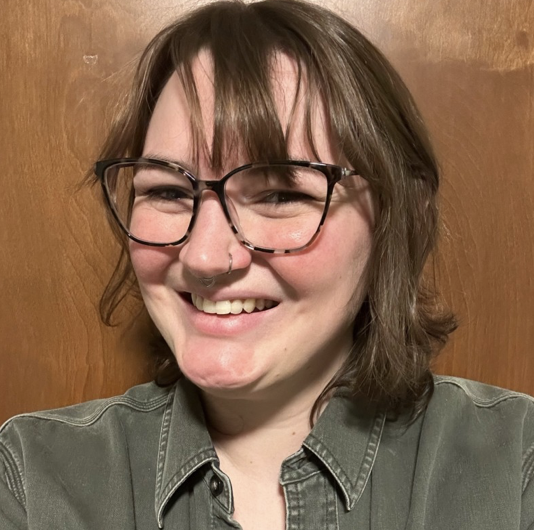
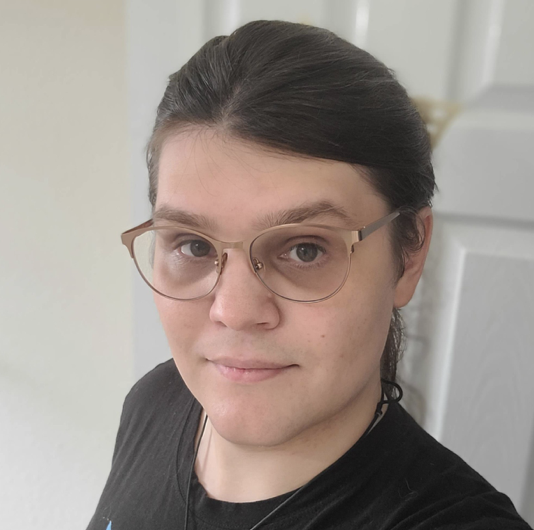
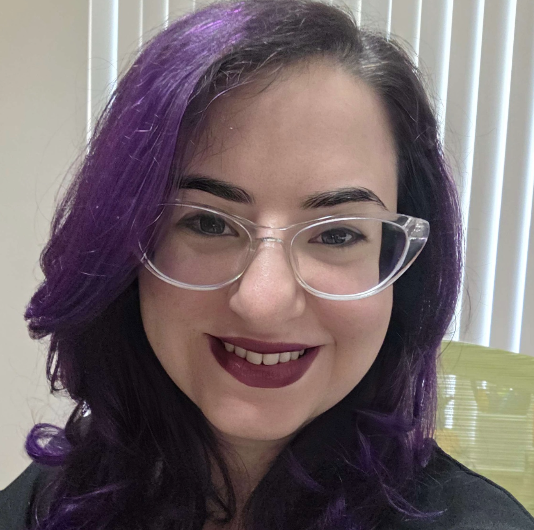
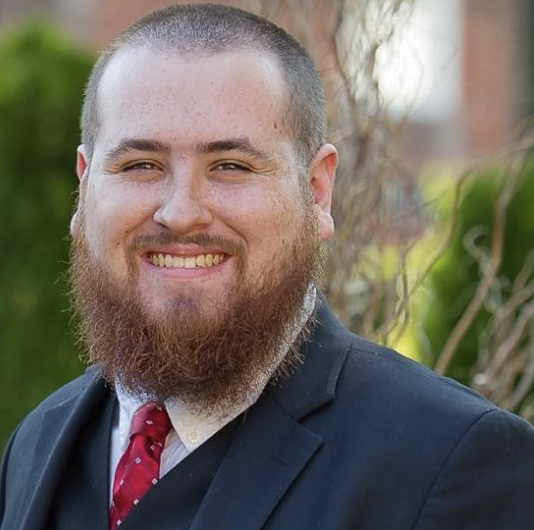
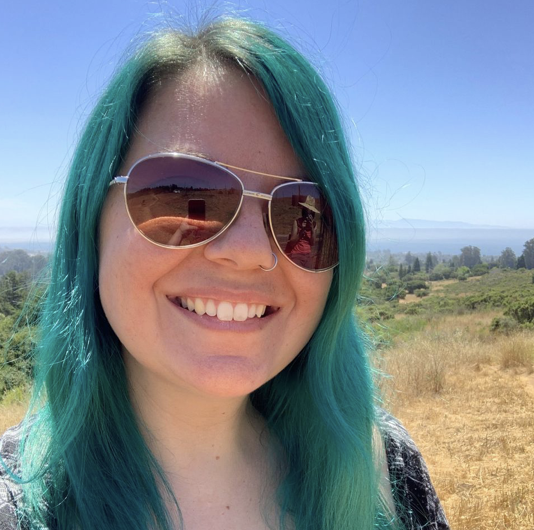
The Connection Commission is a national, disability-led nonprofit governed by a Board of Directors. Our Board sets organizational policy, oversees the Commission’s programs and finances, and provides accountability for the work. Day-to-day operations are carried out by officers, representatives, and staff within those policies and defined areas of authority.


Need a representative?
You do not need to know the right form, agency term, or kind of authorization before you contact us. Tell us what needs to get done and what is stopping you from getting through it.
Request a representativeSupport the work
Support representative casework, direct administrative expenses, and the infrastructure that makes these connections possible.

Newsletter
Updates from The Connection Commission.